INTERIOR HEALTHY MINERAL FINISHES FOR WALLS AND CEILINGS
Mineral and Lime-Based Paint: Why it matters
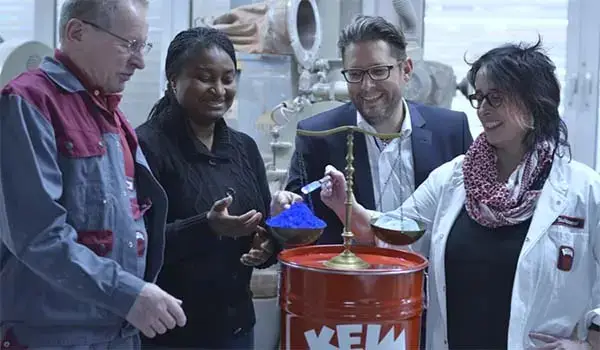
Mineral and lime paints are good for people, the planet, and are responsibly made
Mineral and lime-based paints have a lower environmental impact because they are derived from natural, non-toxic, and plentiful earthen materials like limestone and silicate. They emit zero VOCs and actively absorb carbon dioxide while curing. They also lack microplastics found in conventional acrylic/latex paints.
Choose mineral and lime-based paints for better health and a lower environmental impact.
Key Environmental Benefits of Mineral-based Paints
― Carbon sequestration: Mineral and lime paints absorb CO2 from the air during the curing process (silicification and carbonation), effectively acting as a carbon sink.
― Natural composition and low emissions: These paints lack petroleum-based ingredients, resulting in almost zero VOCs, which improves air quality.
― Biodegradability: Because the are made from natural mineral products, they do not release toxic waste, making them more environmentally friendly to produce and dispose of.
― Breathable: They are permeable to water vapor, allowing structures to “breathe” and preventing moisture buildup, which reduces risk of mold and mildew.
― Extremely durable: Mineral paints last far longer than traditional acrylic/latex paints and require less repainting, making them more sustainable.
Make the conscious choice to use paints that champion lower environmental impact and superior durability.
Together, we can paint a brighter, more sustainable future!
Reduced Energy in Production: The manufacturing of mineral and lime-based paints
requires significantly less energy and raw materials than acrylic/latex (synthetic)
paints, resulting in lower carbon emissions.
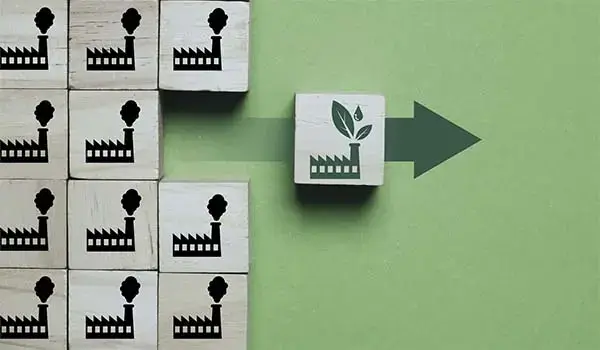
Responsibly Crafted
At Keim, our commitment to Environmental and Social Governance is at the core of everything we do. We understand the profound impact our decisions have on the world around us, and we are resolute in aligning our actions with our responsibility to both the environment and our communities.
Respecting Human Rights
Respect for human rights is a fundamental principle at Keim. We strive to treat every individual with dignity and fairness. Our dedication includes a strict policy against child and forced labor in the sourcing of materials and production of our products. We hold our suppliers accountable, ensuring that human rights policies are not only enforced but regularly assessed.
As an integral part of the global community, we are committed to promoting human health through our products and our company’s actions.
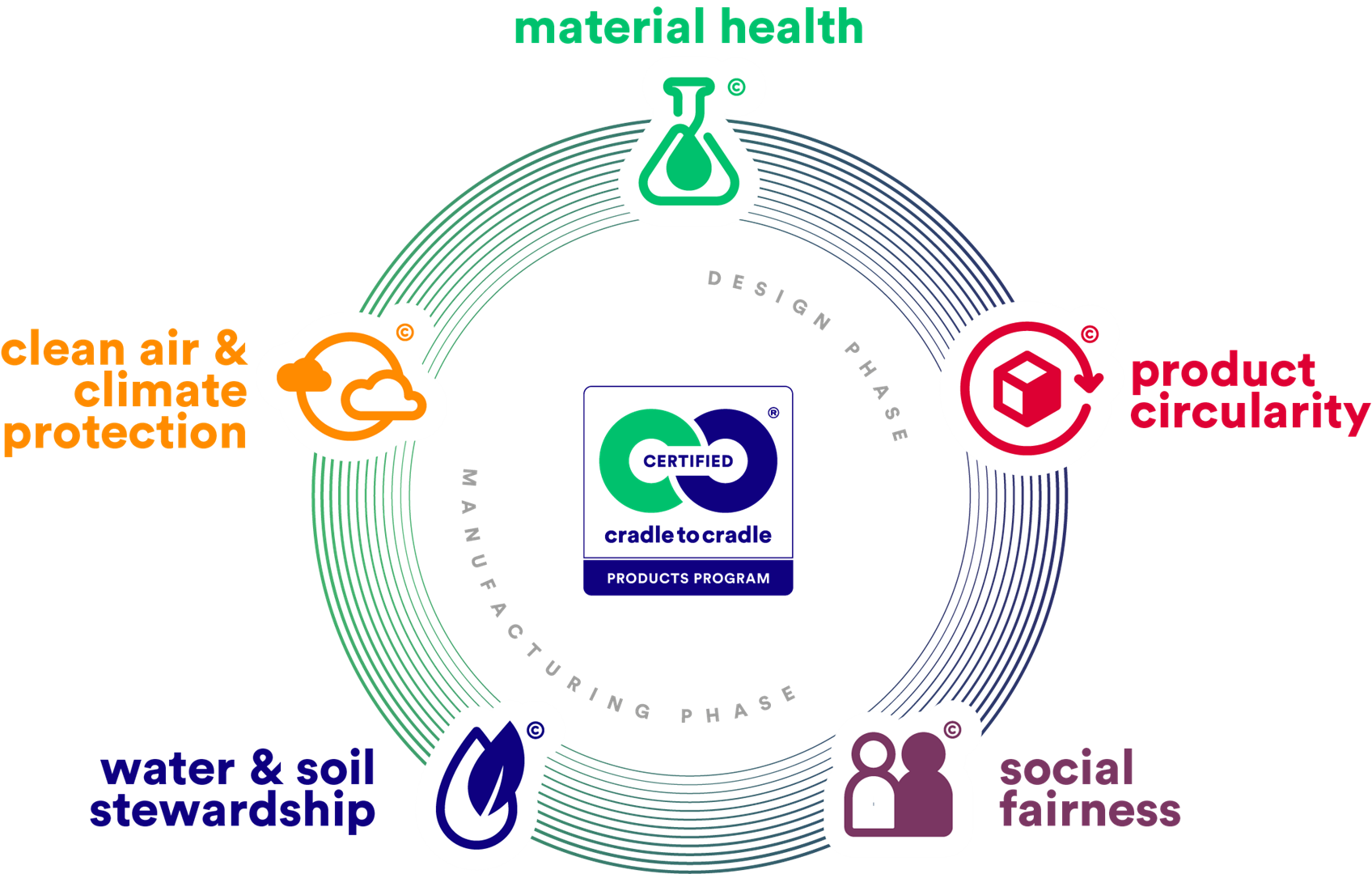
Cradle to Cradle Certification: A global standard for sustainable innovation.
Embrace a world of design and manufacturing that champions safety, circularity, and sustainability. The Cradle to Cradle Certification focuses on the entire lifecycle of products, ensuring they are not just made, but crafted with the future in mind. Let’s pave the way for a healthier planet with responsible choices that redefine what’s possible!
Key Aspects of C2C Certification:
― Circular Economy: Promotes materials that can be perpetually cycled as “technical nutrients” (recyclable) or “biological nutrients” (compostable/biodegradable).
― Material Health: Ensures chemicals used are safe for humans and the environment, avoiding harmful substances.
― Renewable Energy & Climate: Encourages manufacturing with renewable energy and reduced greenhouse gas emissions.
― Water Stewardship: Focuses on protecting water as a finite resource.
― Social Fairness: Assesses fair labor practices and positive social impacts in the supply chain.
Level of Achievement: Gold in Material Health and Silver Overall.
Continuous Improvement: Requires regular recertification (every three years under the latest standard) with demonstrated improvement.
Why It Matters: C2C certification guides companies and designers in creating products that are regenerative