EXTERIOR MINERAL FINISHES FOR MASONRY
Breathable Paint: Why it matters
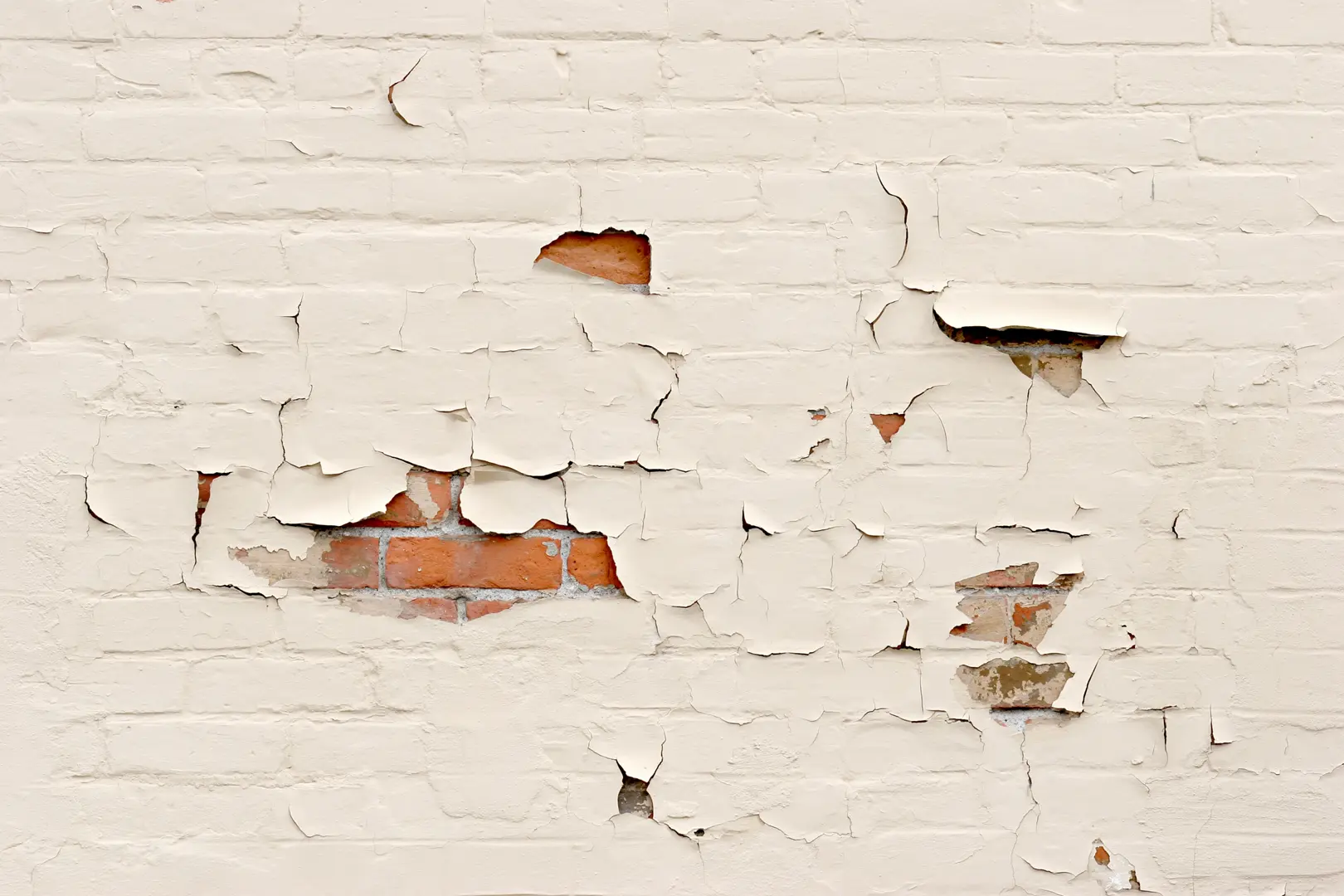
The acrylic/latex masonry paint depicted above has suffered a significant failure—blistering and peeling away from the wall. This phenomenon can be traced back to the relentless pressure exerted by moisture vapor struggling to escape from beneath. Acrylic paint, known for its durability, can betray its promise, leading to unsightly cracking and a “plastic-like” peeling of the thick paint layer. As time marches on and moisture accumulates behind the surface, such dramatic failures become alarmingly common.
This stark contrast between intention and reality reminds us of the hidden battles that walls endure, underscoring the importance of understanding the materials we choose for our homes.
The dangers of non-breathable paint on masonry
Masonry paint must be highly breathable to allow trapped moisture within your walls to escape as vapor. If moisture is trapped, it can lead to serious issues such as paint blistering, peeling, mold growth, and even structural masonry decay.
This is particularly problematic for porous masonry materials like brick, mortar, stone, stucco, and concrete, which are naturally made from earthen minerals.
Breathable, mineral-based paints play a crucial role in moisture regulation, protecting the integrity of masonry and ensuring a long-lasting finish. This is especially important for historic buildings and those located in humid climates.
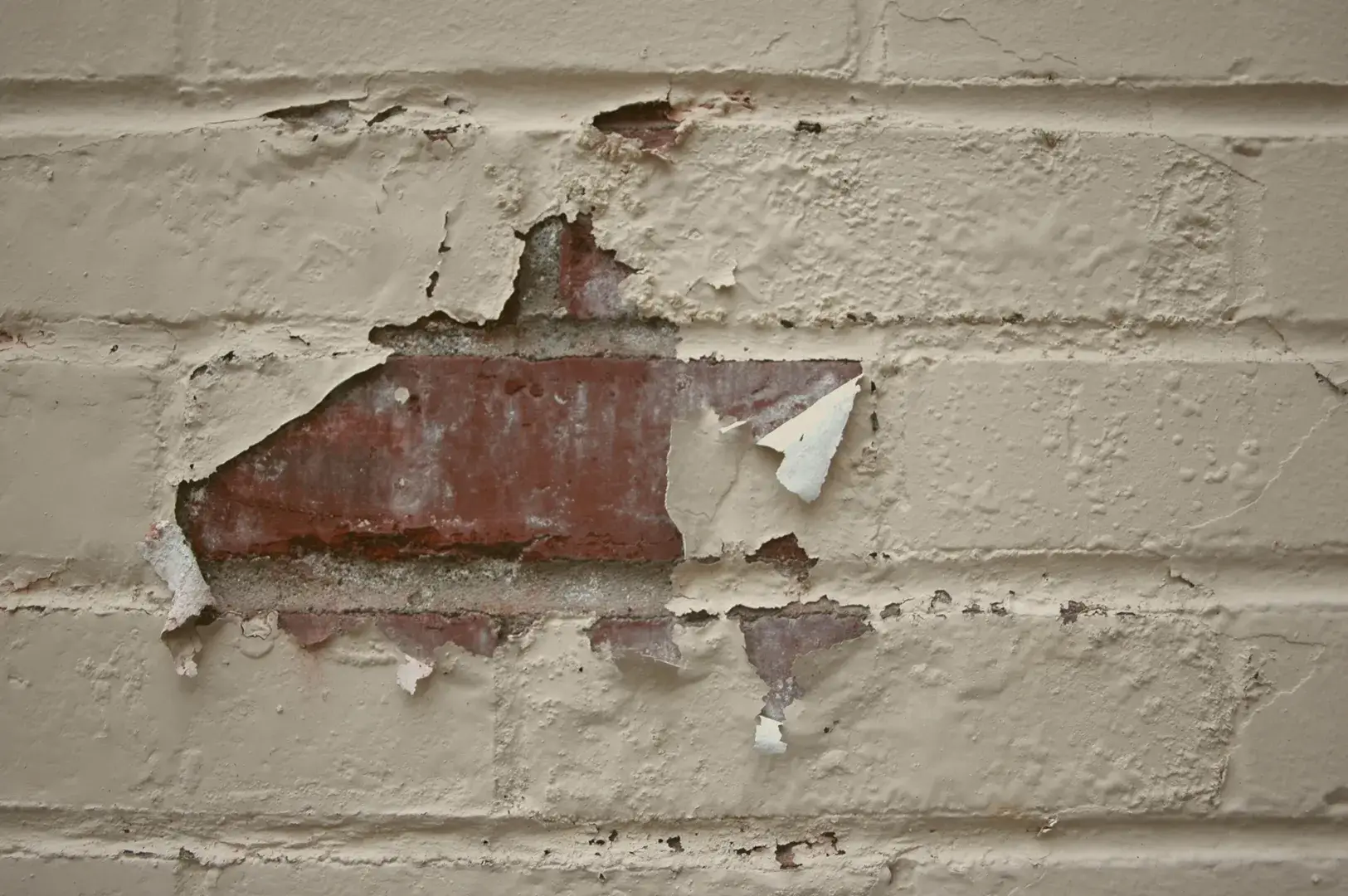
You can identify acrylic paint by its “plastic-like” peeling, which appears pliable and flexible. Additionally, salt efflorescence can be seen beneath the paint on the brick surface, as white crystals. This efflorescence contributes to the lifting and peeling of the acrylic paint from the brick. To the right of the peeling area, you will observe many small blisters where moisture has accumulated. This section is also likely to fail and eventually peel away.
Mineral Masonry Paint and European Limewash are breathable.
Effective Moisture Management: Our breathable mineral-based paints are designed to work with masonry’s natural ability to absorb and release moisture. Their microporous structure allows moisture vapor to escape, while they effectively resist wind-driven rain and moisture from the surrounding environment.
– Prevention of Damage: Moisture that gets trapped can wreak havoc, leading to issues like blistering and peeling paint, salt efflorescence, and even freeze/thaw spalling in winter. Our breathable solutions help protect your masonry from internal decay by allowing moisture to escape.
– Ideal for Traditional and Historic Buildings: Our products are essential for lime and cement-based stucco and plaster, as well as older brick, stone, or plaster structures that lack vapor barriers. Unlike modern cavity walls, which include damp-proof membranes, our paints support solid walls by maintaining natural moisture regulation.
– Low Maintenance for Longevity: With our microporous mineral-based paints, you can say goodbye to worries about peeling or blistering, even in high humidity conditions. Enjoy less maintenance and a long-lasting finish that keeps your building looking its best.
Promote a healthy and enduring environment for your masonry with our breathable paint solutions!
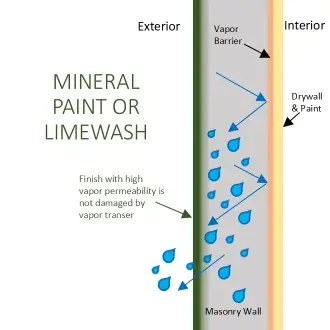
Mineral-based finishes penetrate the masonry surface and remain vapor permeable. They are not damaged by the free-flow of moisture vapor from masonry, but repel wind-driven rain to keep the masonry dry.
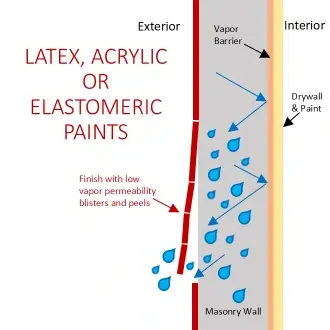
Acrylic finishes form a plastic-like layer that is not permeable. Moisture vapor builds up beneath the paint layer and water condenses to create bubbles and pockets of water, that eventually rupture the paint layer and cause bubbling and peeling. The real danger is that moisture is trapped against the masonry, which can lead to decay.
Are you curious about the science behind breathable paint? Discover the industry tests and experiments that demonstrate its effectiveness. Dive deeper to uncover the evidence that makes breathable paint a game changer for your home!
Key aspects of Mineral Silicate chemical fusion
Vapor-permeability tests for paint measure the rate at which water vapor passes through a coating, which is crucial for determining “breathability” and preventing moisture-related failures such as peeling or mold. The standard method involves using permeability cups (wet or dry) per ISO 7783, ASTM D-1653, or ASTM E-96. These tests are vital for exterior coatings to ensure moisture escapes, protecting masonry and wood.
Industry standards
ISO 7783: The standard method for coatings, specifically measuring the Water Vapor Transmission Rate (WVTR) through paints and varnishes.
ASTM D-1653: Specifically for organic paint, lacquer, and varnish, this standard covers both wet and dry cup methods.
ASTM E-96: A broad standard covering the water vapor transmission of building materials, including coatings.
Common Procedures
Calculation: The results are calculated based on the weight change over a specific time, film thickness, and surface area, usually expressed as permeability or permeance (e.g., Perms).
Key Considerations
When it comes to protecting your brick surfaces, understanding the permeability of coatings is essential. These tests reveal whether a coating acts as a barrier with low permeability or allows breathability with high permeability. This knowledge empowers you to compare different brands and select the ideal finish for your brick.
Why does this matter? Proper permeability is crucial in preventing moisture from becoming trapped within walls. When moisture is confined, it can lead to serious issues like mold growth, paint deterioration, and significant structural damage.
By choosing the right coating, you not only enhance the aesthetic appeal of your bricks but also safeguard your property from costly repairs.
Make an informed decision that ensures your brickwork remains beautiful and intact for years to come!
KEIM TEST RESULTS
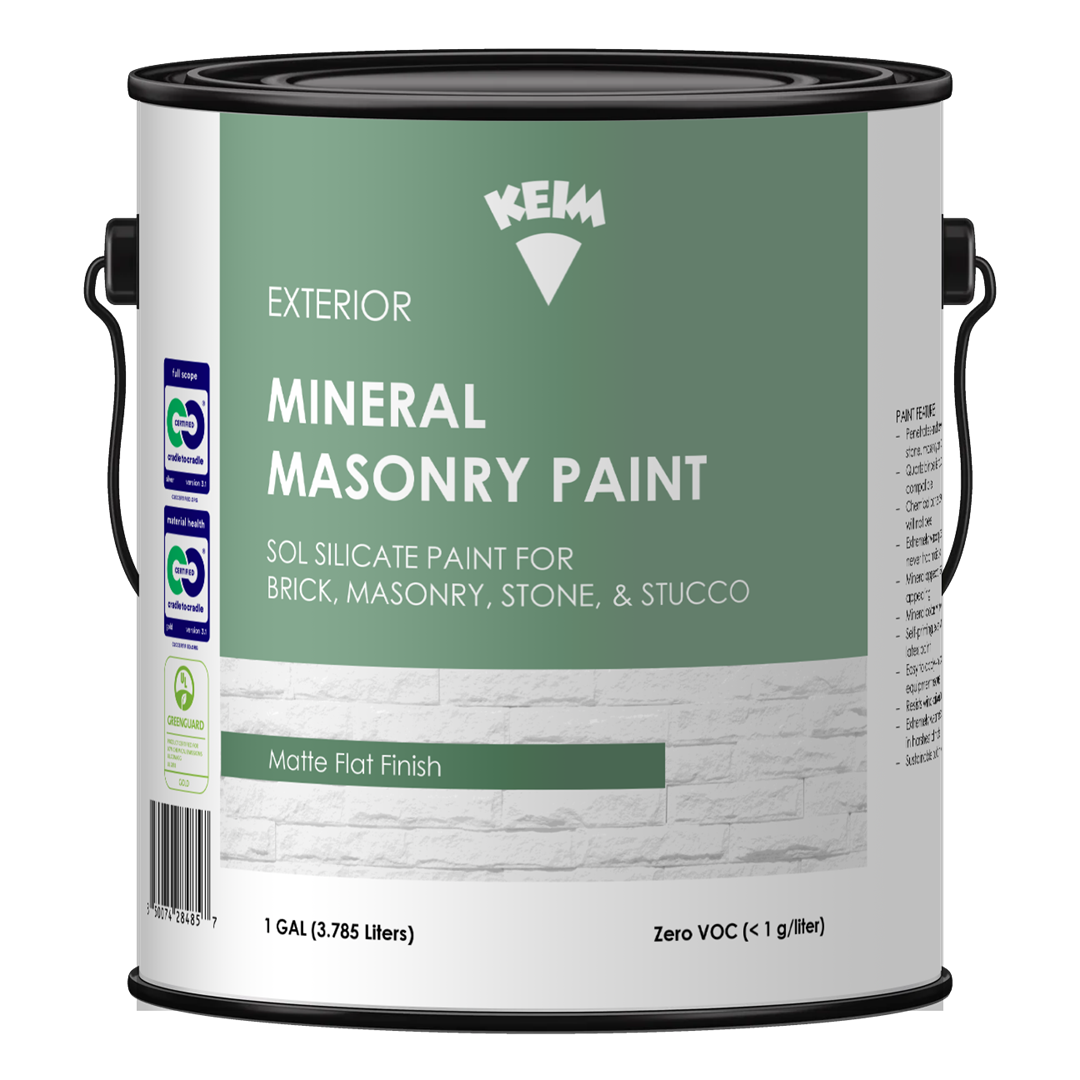
Mineral Masonry Paint
Test Lab: Intertek, York, PA
Date of Testing: 5/8—5/9/2024
Scope of Work: ASTM E-96-21 Water Vapor Transmission Rate
Results: 80 – 85 perms, extremely vapor-permeable paint
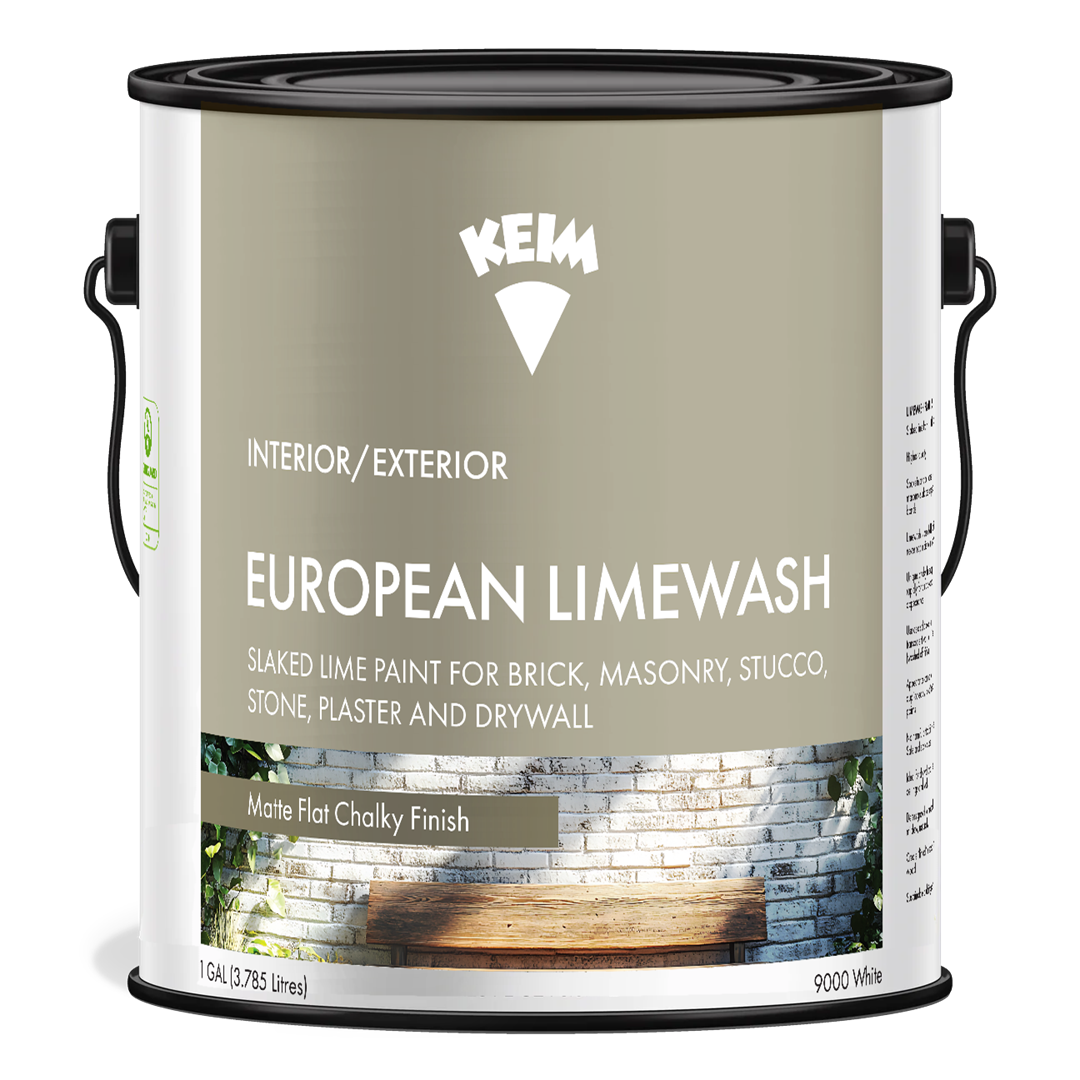
European Limewash
Test Lab: Intertek, York PA
Date of Testing: 1/23—1/24/2024
Scope of Work: ASTM E-96-21 Water Vapor Transmission Rate
Results: 75–85 Perms, extremely vapor-permeable paint
Demo of Vapor Permeability in Mineral-based Paints
The demonstration highlights the high breathability of Keim Mineral Silicate Paints, which allow vapor to easily pass through both the building material and the paint layer. In the experiment, magnesium oxide (MgO) board was mounted in an aquarium. On the left side, it was painted with Keim paint, while the right side was coated with an acrylic paint marketed as a breathable masonry coating.
The tank was then filled with water, with an aquarium pump providing air pressure below. The video clearly shows that vapor permeates both the MgO board and the Keim paint on the left. In contrast, the MgO board painted with the acrylic finish on the right does not allow any vapor to pass through at all.
This straightforward yet effective demonstration visually supports the data on vapor permeability.
Key Data Points on Permeability
Building Materials
― Brick Masonry Wall (4-inch): + 10 perms
― Historic/Lime Mortar: High permeability, often in the range of 70+ perms
― Modern Cement Mortar: Generally lower, in the 20s perms
― Whole Wall Masonry System: Considered “breathable”, usually in the 10-20 perm range Paints and Limewash
― Keim European Limewash: 75—85 perms, measured by ASTM E 96 Vapor Permeability Testing
― Keim Mineral Masonry Paint: 80—85 perms, measured by ASTM E 96 Vapor Permeability Testing
Water vs. Vapor: While brick and mortar are permeable to vapor (breathable), masonry is designed to restrict the flow of bulk, or wind-driven rainwater into exterior walls. It can be saturated by water due to many factors, thus making vapor permeable finishes an absolute necessity.
What to look for
- High Perm/Low SD vaules: Indicates good breathability, crucial for historic or solid masonry walls
- Material Type: Limewash and silicate paints are inherently breathable, while standard acrylics and oil paints are not.
- Compatibility: The paint should have a similar or higher perm rating than the masonry substrate (e.g., old lime mortar) to avoid trapping moisture.
In summary: Aim for paints with perm ratings in the 70s to 80s, or SD values below 0.5m, like European Limewash or Mineral Masonry Paint for exteriors and interior Mineral Wall Paint for your interiors, for truly breathable masonry finishes.
These contrast with standard acrylic paints that form impermeable films.
Promote a healthy and enduring environment for your masonry with our breathable paint solutions!
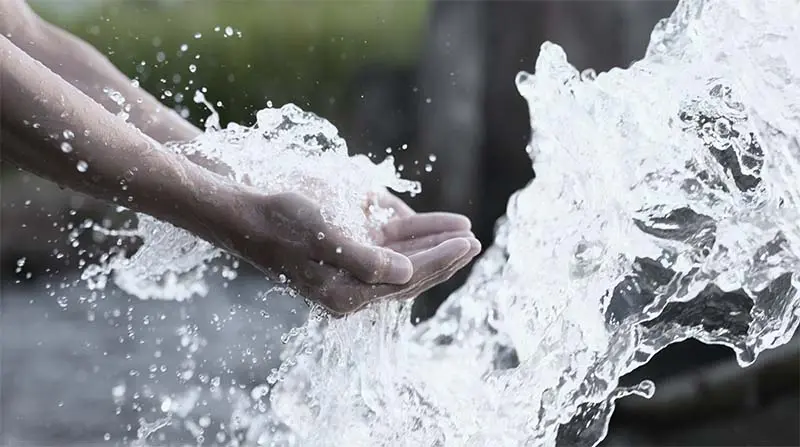
MINERAL PAINTS ARE EXTREMELY WATER REPELLENT
Wind-driven rain is no Match
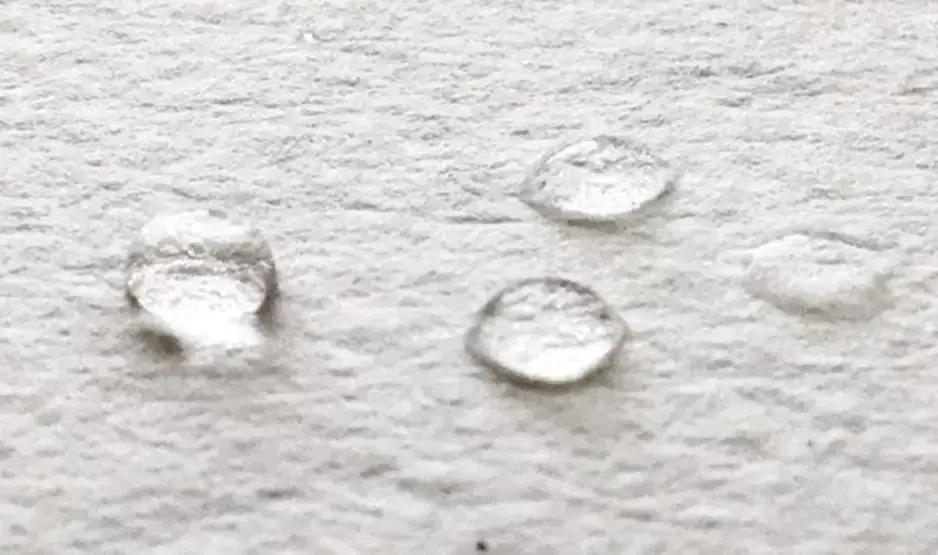
Sheeting Action: Experience the power of rain as it actively
cleans the mineral surface with every rain shower.
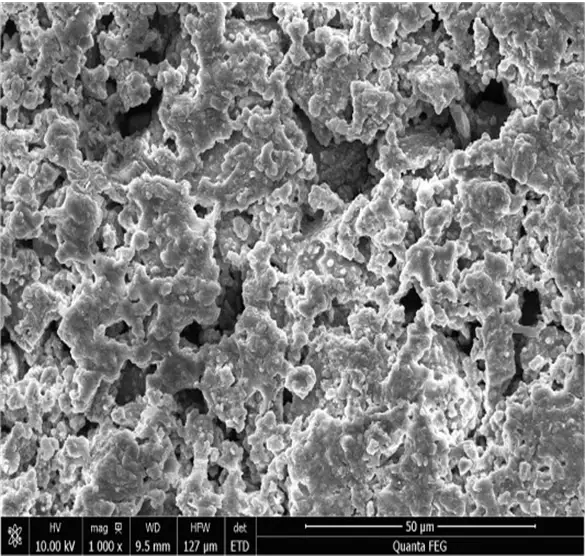
Mineral paint and Limewash are comprised of microporous crystalline structures boasting ULTRA-HYDROPHOBIC properties, preventing capillary action from pulling water into the finish. Our mineral silicate paints exceed ASTM E 514 standards, ensuring unbeatable protection against water penetration and wind-driven rain leakage—no leaks guaranteed. Rainwater is efficiently distributed across millions of pores in the mineral finish; wet walls dry out faster, promoting durability and longevity.
And this microporous structure is what allows moisture vapor to flow through the mineral paint without interference.
FAQs
What is a breathable paint?
Breathable paints allow moisture vapor (internal humidity) to pass through the paint layer, preventing moisture from being trapped in masonry walls.
What are the best, most breathable paints?
Mineral silicate paints and lime washes are highly breathable.
How do you measure breathability?
Perm ratings are typically used in the US. The higher the number (1—100), the more breathable the paint. In Europe, SD value, an “equivalent air layer thickness) is commonly used with low values indicating high permeability (values of 0.01 to 0.1 m are considered breathable).
When should I use breathable paints?
Painting natural masonry, brick, stucco, stone, or concrete in heritage or older buildings is a must. Newer construction in high-humidity or climates with large humidity swings is also advised.
When should I not use a breathable paint?
If you are trying to prevent hydrostatic pressure (water) from entering basement or below grade walls, a vapor-tight finish may be needed. Do not use breathable paints on floors without added protection against penetrating stains, foot or vehicle traffic.
Do latex/acrylic paints breathe?
Some latex/acrylic paints are sold as breathable, but most act as vapor retarders and have low permeability.
How can I tell if a paint is breathable?
Look for test data from the manufacturer that cites specific third-party testing to report permeability, typically found on product or technical data sheets.
What happens if I use the wrong paint?
Using non-breathing paints on walls that may become damp (like brick or stone), can trap moisture, leading to paint films that blister, crack, and peel. Holding dampness in masonry can also lead to premature damage.
Are all paints considered breathable?
No, most paint films have some degree of permeability, but synthetic, traditional, or glossy paints are not sufficient for older homes, stucco or lime mortars, or in high-humidity climates.
What are the best paints for breathable masonry?
Mineral silicate paints and limewashes are considered the best options for painting exterior masonry.