Breathable Paint: Why it matters
The dangers of non-breathable paint on masonry
Masonry paint must be highly breathable to allow trapped moisture within your walls to escape as vapor. If moisture is trapped, it can lead to serious issues such as paint blistering, peeling, mold growth, and even structural decay. This is particularly problematic for porous masonry materials like brick, mortar, stone, stucco, and concrete, which are naturally made from earthen minerals.
Breathable, mineral-based paints play a crucial role in moisture regulation, protecting the integrity of masonry and ensuring a long-lasting finish. This is especially important for historic buildings and those located in humid climates.
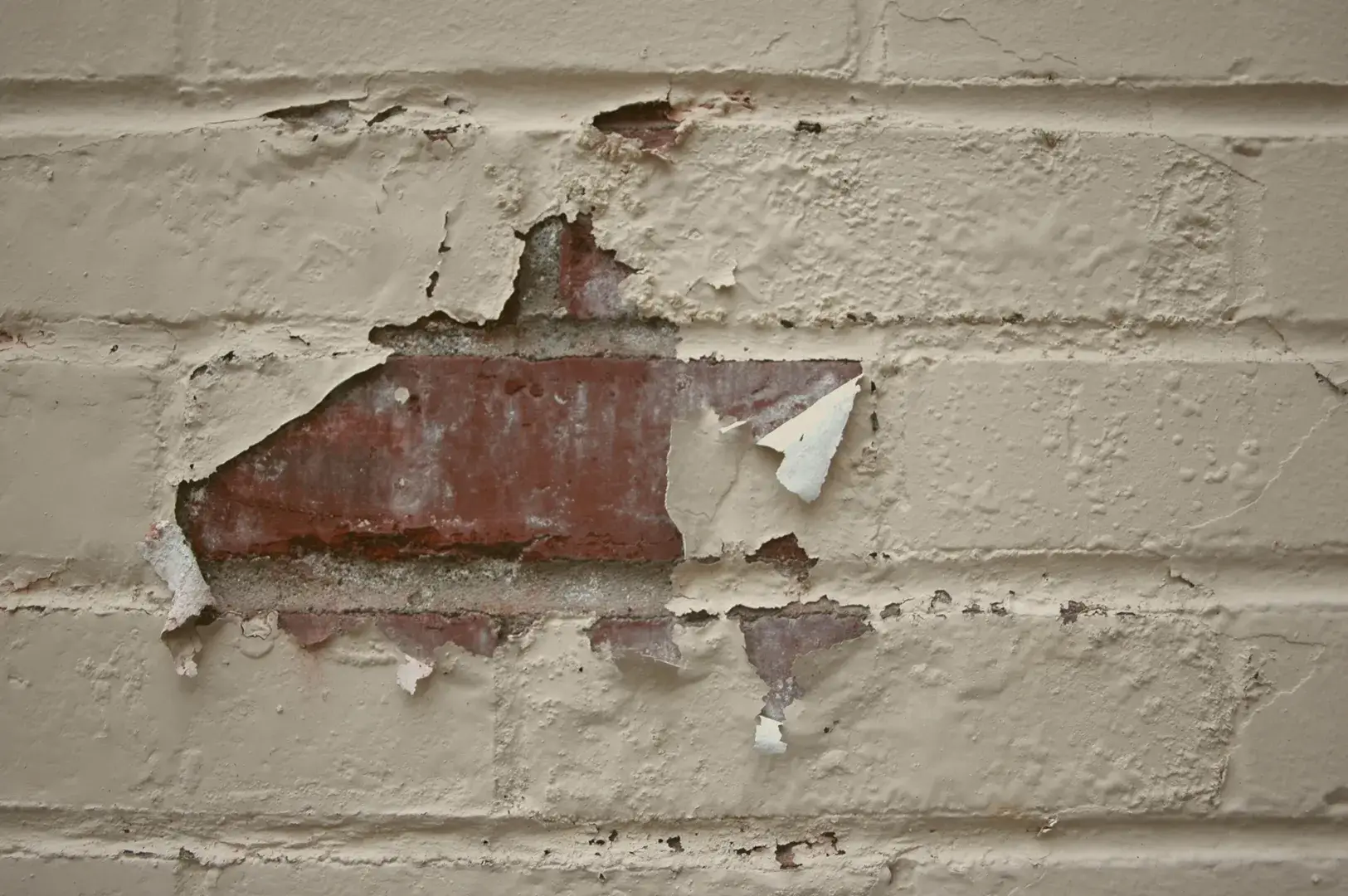
Both Keim European Limewash and mineral silicate paints are highly breathable options for masonry. In contrast, the acrylic paint shown above has blistered and peeled away due to the pressure from moisture vapor attempting to escape from the wall underneath. You can identify acrylic paint by its “plastic-like” peeling, which appears pliable and flexible. Additionally, salt efflorescence can be seen beneath the paint on the brick surface. This efflorescence contributes to the lifting and peeling of the acrylic paint from the brick. To the right of the peeling area, you will observe many small blisters where moisture has accumulated. This section is also likely to fail and eventually peel away.
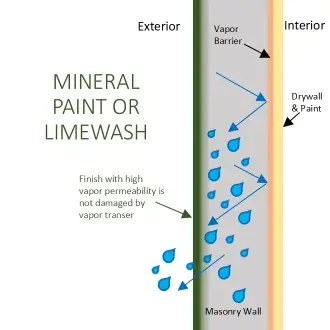
Mineral-based finishes penetrate the masonry surface and remain vapor permeable. They are not damaged by the free-flow of moisture vapor from masonry, but repel wind-driven rain to keep the masonry dry.
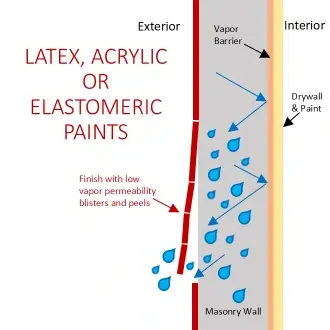
Acrylic finishes form a plastic-like layer that is not permeable. Moisture vapor builds up beneath the paint layer and water condenses to create bubbles and pockets of water, that eventually rupture the paint layer and cause bubbling and peeling. The real danger is that moisture is trapped against the masonry, which can lead to decay.
Why breathability matters
Effective Moisture Management: Our breathable mineral-based paints are designed to work with masonry’s natural ability to absorb and release moisture. Their microporous structure allows moisture vapor to escape, while they effectively resist wind-driven rain and moisture from the surrounding environment.
Prevention of Damage: Moisture that gets trapped can wreak havoc, leading to issues like blistering and peeling paint, salt efflorescence, and even freeze/thaw spalling in winter. Our breathable solutions help protect your masonry from internal decay by allowing moisture to escape.
Ideal for Traditional and Historic Buildings: Our products are essential for lime and cement-based stucco and plaster, as well as older brick, stone, or plaster structures that lack vapor barriers. Unlike modern cavity walls, which include damp-proof membranes, our paints support solid walls by maintaining natural moisture regulation.
Low Maintenance for Longevity: With our microporous mineral-based paints, you can say goodbye to worries about peeling or blistering, even in high humidity conditions. Enjoy less maintenance and a long-lasting finish that keeps your building looking its best.
Promote a healthy and enduring environment for your masonry with our breathable paint solutions!
Demo of Vapor Permeability in Mineralbased Paints
The demonstration highlights the high breathability of Keim Mineral Silicate Paints, which allow vapor to easily pass through both the building material and the paint layer. In the experiment, magnesium oxide (MgO) board was mounted in an aquarium. On the left side, it was painted with Keim paint, while the right side was coated with an acrylic paint marketed as a breathable masonry coating.
The tank was then filled with water, with an aquarium pump providing air pressure below. The video clearly shows that vapor permeates both the MgO board and the Keim paint on the left. In contrast, the MgO board painted with the acrylic finish on the right does not allow any vapor to pass through at all.
This straightforward yet effective demonstration visually supports the data on vapor permeability.
Key Data Points on Permeability
- Brick Masonry Wall (4-inch): + 10 perms
- Historic/Lime Mortar: High permeability, often in the range of 70+ perms
- Modern Cement Mortar: Generally lower, in the 20s of perms
- Whole Wall Masonry System: Considered “breathable”, usually in the 10-20 perm range
- Keim European Limewash: 75—85 perms, measured by ASTM E 96 Vapor Permeability Testing
- Keim Mineral Masonry Paint: +77 perms, measured by ASTM E 96Vapor Permeability Testing
- Water vs. Vapor: While brick is highly permeable to vapor (breathable), it is designed
- Water vs. Vapor: While brick is highly permeable to vapor (breathable), it is designed to restrict the flow of bulk water, although it can become saturated.
What to look for
- High Perm/Low SD vaules: Indicates good breathability, crucial for historic or solid masonry walls
- Material Type: Limewash and silicate paints are inherently breathable, while standard acrylics and oil paints are not.
- Compatibility: The paint should have a similar or higher perm rating than the masonry substrate (e.g., old lime mortar) to avoid trapping moisture.
In summary: Aim for paints with perm ratings in the 70s to 80s, or SD values below 0.5m, like European Limewash or Mineral Masonry Paint for exteriors and Interior Mineral Wall Paint for your interiors, for truly breathable masonry finishes
These contrast with standard acrylic paints that form impermeable films, with breathable types having low “Sd values” (0.01-0.1) on their technical sheets.
Promote a healthy and enduring environment for your masonry with our breathable paint solutions!
EXTREMELY WATER REPELLENT
Wind driven rain is no Match
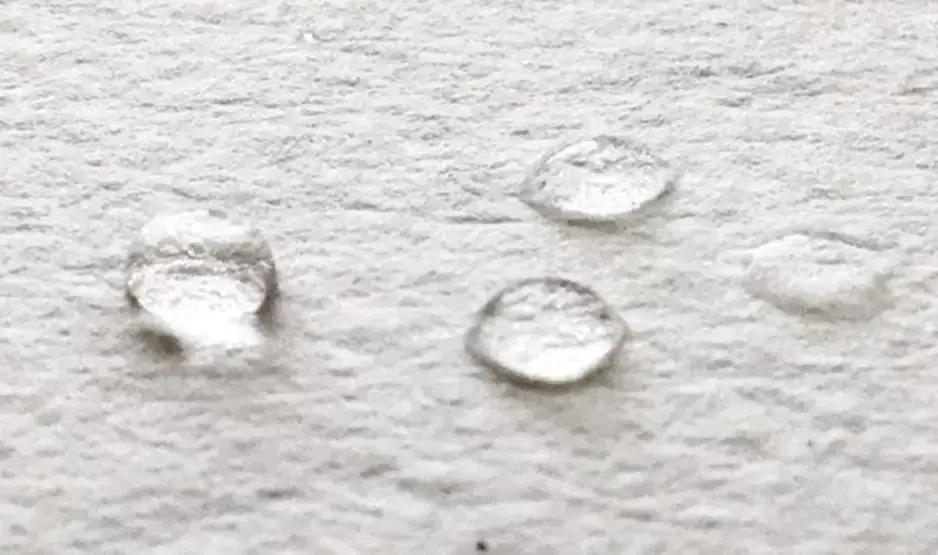
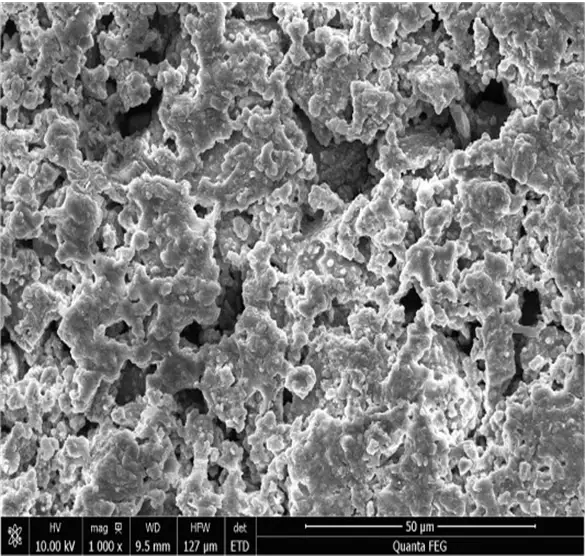
Sheeting Action: Experience the unparalleled power of rain as it actively cleanses the mineral surface.
Our microporous crystalline structure boasts ULTRA-HYDROPHOBIC properties, preventing capillary action from pulling water into the finish. Our mineral silicate paints exceed ASTM E514 standards, ensuring unbeatable protection against water penetration and wind-driven rain leakage—no leaks guaranteed. With rainwater is efficiently distributed across millions of pores in the mineral finish, wet walls dry out faster, promoting durability and longevity. And this microporous structure is what allows moisture vapor to flow through the mineral paint without interference.
FAQs
Breathable masonry paints (like mineral or silicate) are crucial for letting trapped moisture escape walls, preventing damage, unlike standard acrylics; FAQs cover application (clean, dry surfaces, proper temp), compatibility (not for metal/plastic/wood), prep (remove sealers), and types (limewash vs. mineral flat/textured), with brands like Romabio and Emperor offering high breathability (low SD value) for durability, often with long warranties. Key concerns involve ensuring the wall is porous enough (water absorbency test) and using correct primers to maintain breathability for older or new masonry.
General FAQs on Breathable Masonry Paint
Why use it?
It allows water vapor to pass through the wall, preventing moisture buildup, peeling, and damage, essential for old buildings but also good for new ones.
What makes it breathable?
Mineral/silicate paints chemically bond or penetrate, not forming a film like acrylics, giving high vapor permeability (low SD value, e.g., < 0.5m).
How do I know if my wall needs it?
If water beads up or runs off, it’s sealed; if it soaks in quickly, it’s porous and suitable.
Can I use it on previously painted surfaces?
Yes, if the existing paint is porous, but often requires removing non-porous sealers (grinding), proper priming (silicate primer), and ensuring surface stability.
Application: Apply to clean, dry masonry in suitable temperatures (not too hot/cold or damp), following manufacturer guidelines for coats, drying times, and primer use (e.g., dilute first coat on porous surfaces).
Types: Options include limewash (weathered look, needs reapplication) and mineral flat/textured (opaque, durable, longer warranty)